Skip to main content Deutsch

Schneider-Lab

3D bio-printing methods

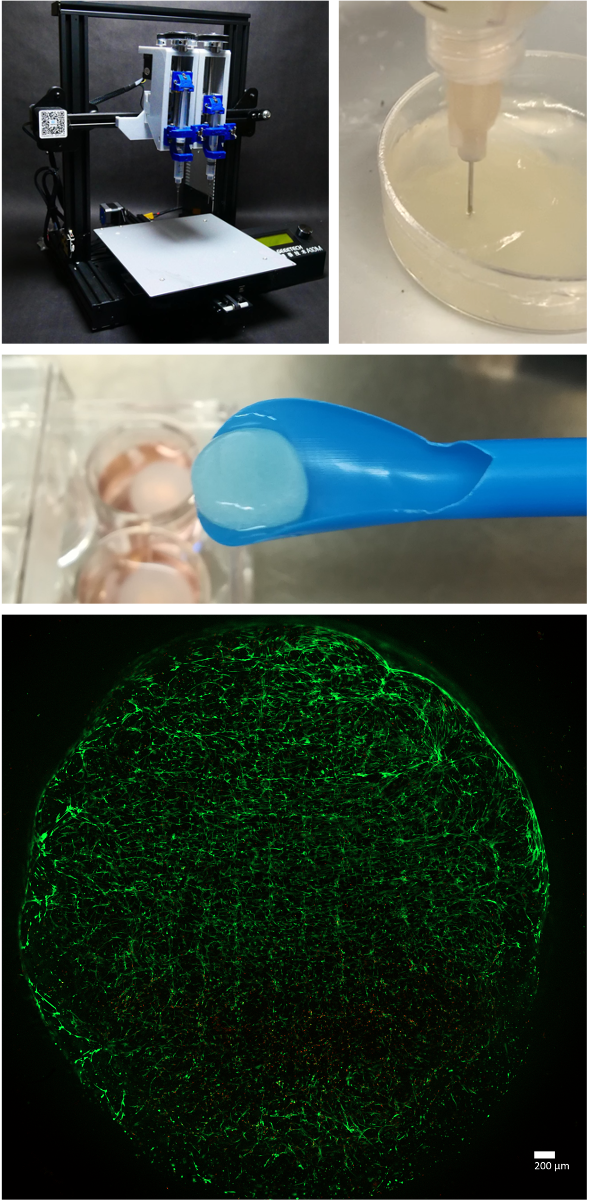
The focus of our research lies in cardiovascular research. Together with our cooperation partners, we also cover a broad spectrum in tissue engineering and regenerative medicine. Our contribution includes the technical development and implementation of innovative 3D bioprinting methods, including customized printing systems and novel human-based bioinks.

Printing materials of biological origin

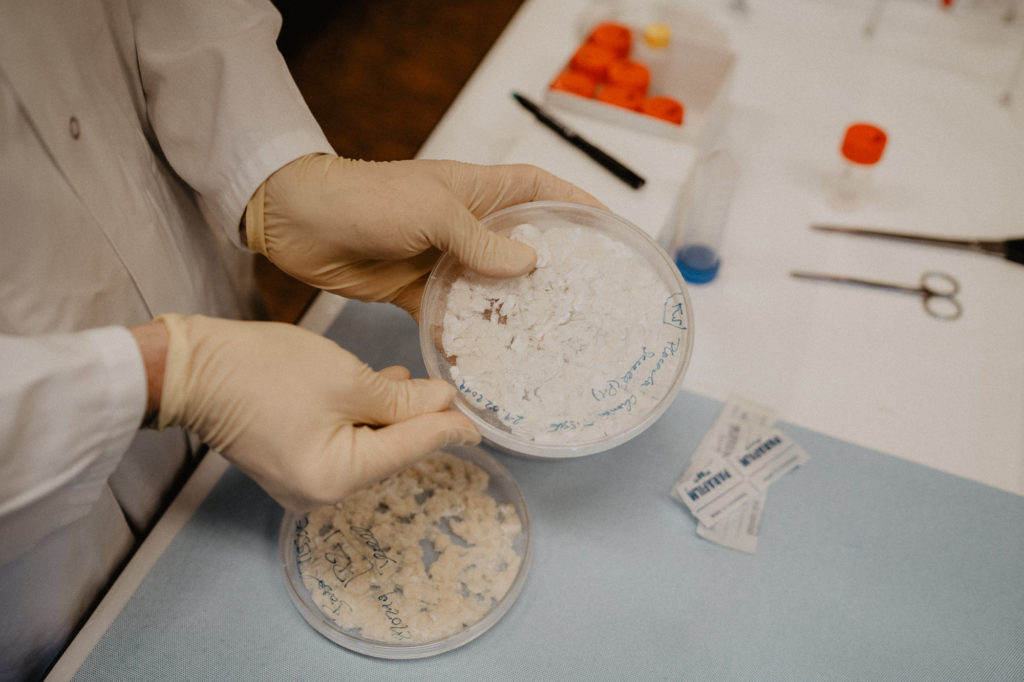
Dr. Schneider has been working on the development of new printing materials of biological origin for several years. One example is the production of a hydrogel from the extracellular matrix (ECM) of the human placenta. ECM hydrogel means that all cellular components of the original tissue have been washed out and only the proteins of the surrounding matrix are used to form a hydrogel. These ECM hydrogels have high biocompatibility and bioactivity due to their natural composition. They have great potential in tissue engineering and can be used in many ways. For example, as a surface coating to improve the adhesion of cells, or as a so-called bioink for direct 3D cell printing.

Biomaterials from extracellular matrix (ECM)

Biological materials consisting of the extracellular matrix have a beneficial effect on cell migration and growth due to their structure and composition. Therefore, extracellular matrix products are a very good starting material for the production of biomaterials for tissue regeneration. Besides animal tissue, human placenta has great advantages as a tissue source due to its human origin and its availability as a clinical waste product.