Skip to main content Deutsch

Enayati-Lab

Research Profile – Dr. Enayati Group

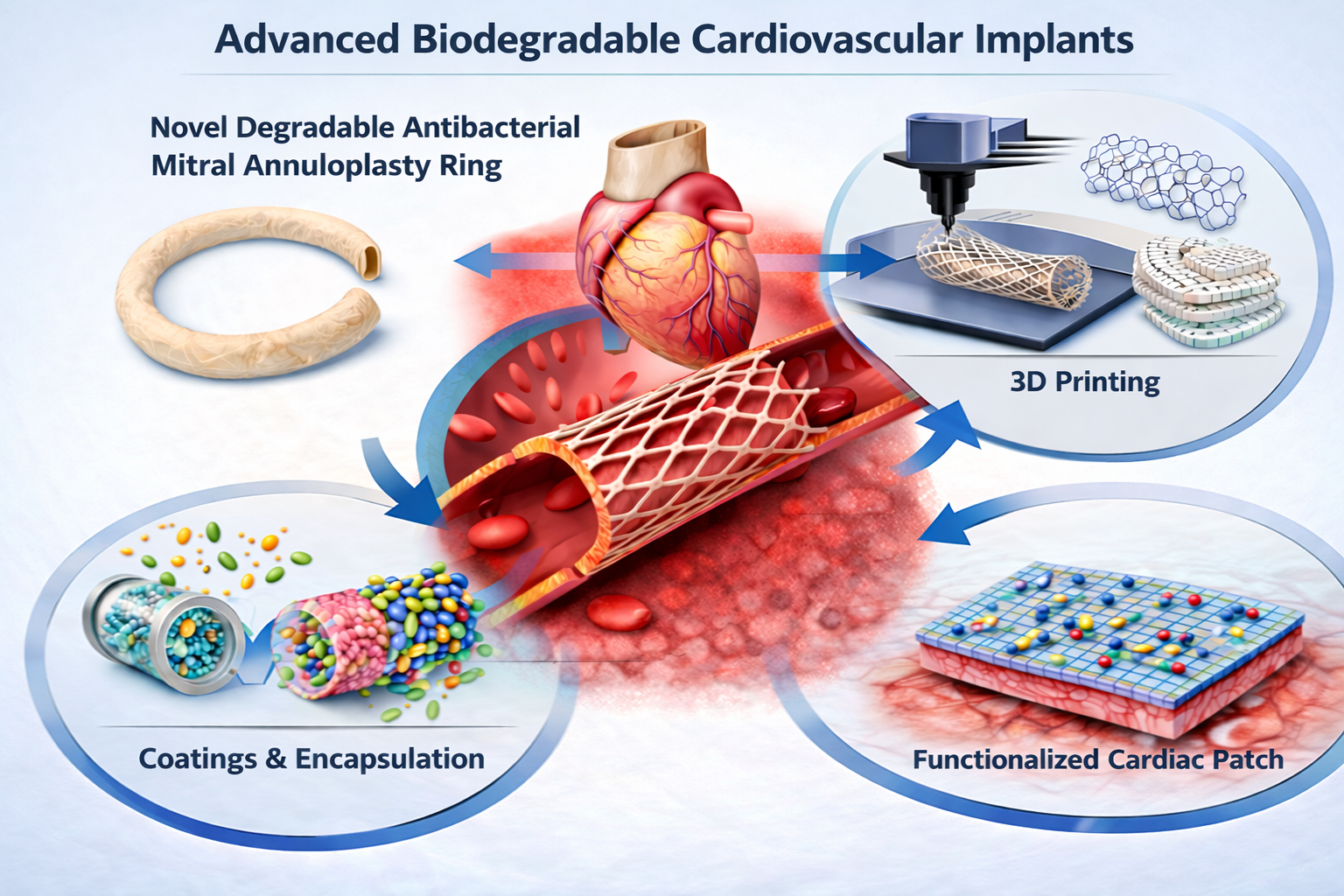
The research group led by Dr. Enayati focuses on the development of advanced biodegradable cardiovascular implants. This work encompasses the design of novel biomaterials, the use of 3D printing as an additive manufacturing technique, and the application of various coating and encapsulation strategies for the controlled release of bioactive molecules.

A central research focus is the evaluation of biocompatibility and immune responses, with the aim of promoting tissue regeneration and, in particular, the endothelialization of grafts. In addition, the degradation behavior and mechanical properties of the implants are analyzed and tailored to the intended clinical implantation site.

To investigate relevant predictors, the group has established various in vitro systems for the development and evaluation of innovative cardiovascular therapies. Current projects range from functional 3D-printed cardiac patches to antimicrobial, biodegradable mitral valve rings that are progressing toward clinical application.

3D-Printed Polymeric Cardiovascular Implants and Cardiac Patches

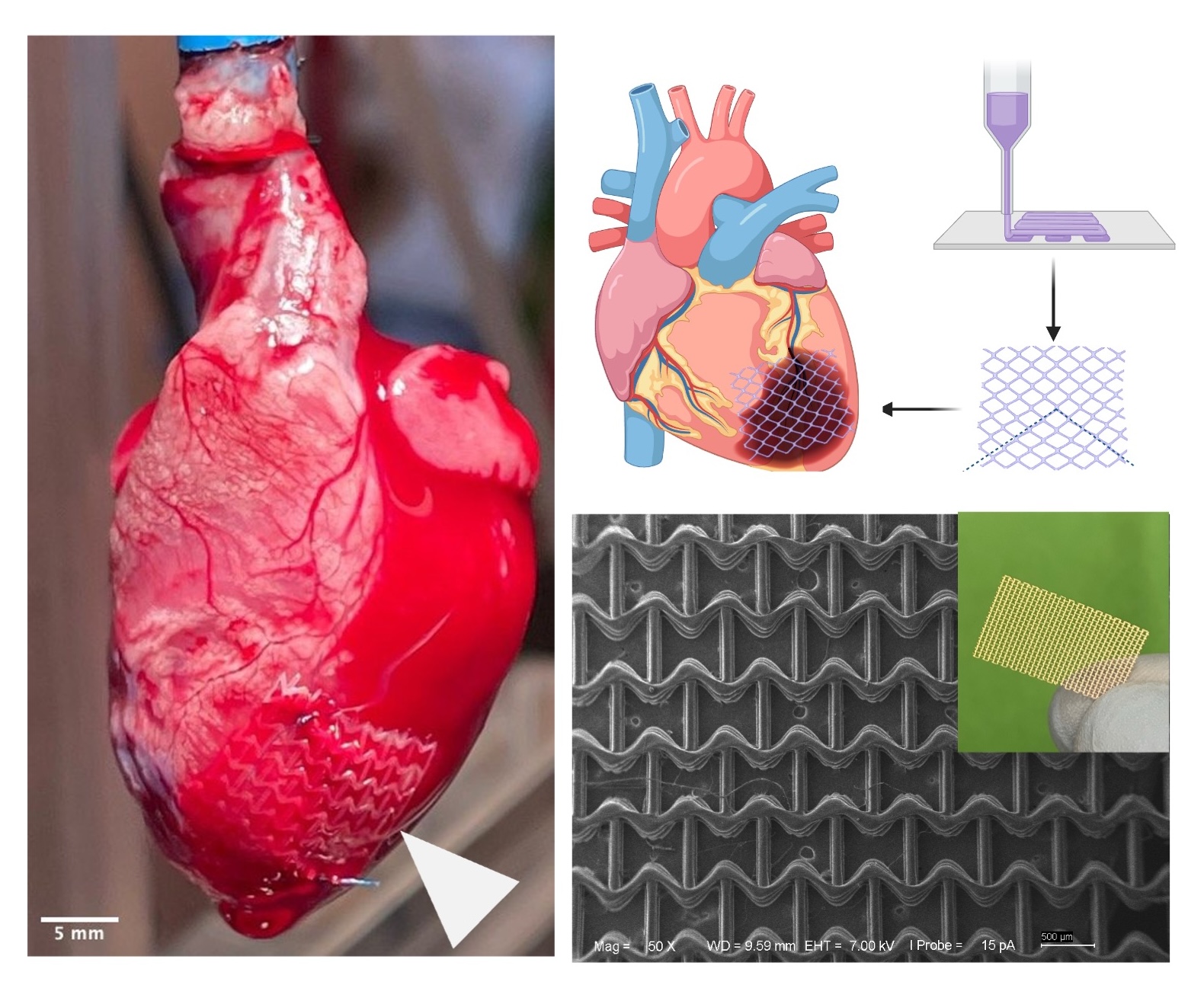
We develop advanced 3D-printed polymer-based cardiovascular implants, with a focus on cardiac patches for the treatment of myocardial ischemia. These patches are designed to mechanically stabilize infarcted regions by confining scar tissue, thereby limiting further cardiomyocyte damage and preventing adverse cardiac remodeling.

Leveraging state-of-the-art additive manufacturing and 3D printing technologies, we engineer patches with precisely controlled architectures and viscoelastic properties that replicate the complex, non-linear, and anisotropic mechanical behavior of native cardiac tissue. Furthermore, biofunctionality is incorporated through the integration of functional moieties and therapeutic agents, enhancing biological interaction and supporting regenerative processes.

Functionalization of Cardiovascular Implants via Coating and Encapsulation

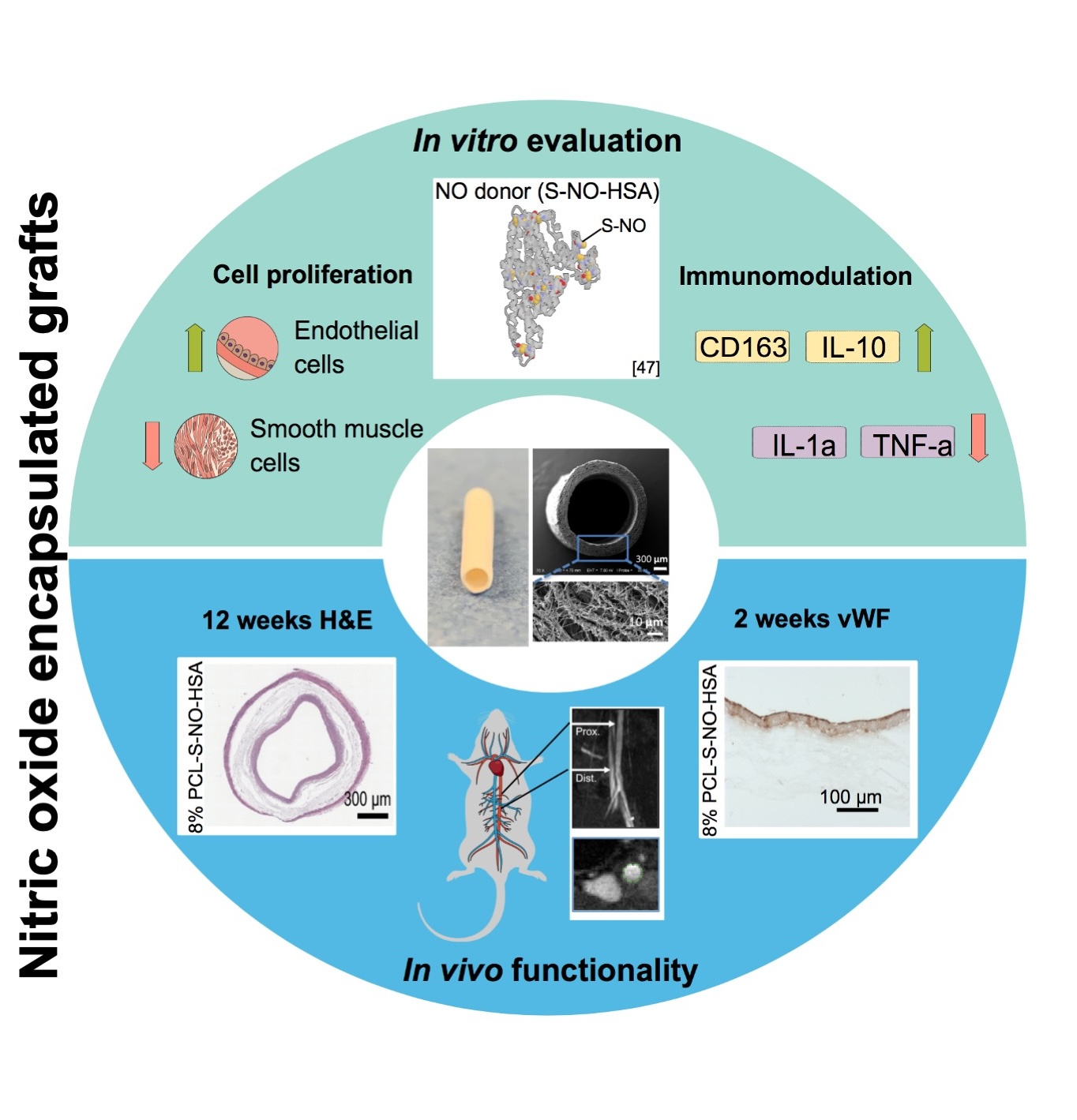
We develop functionalization strategies for cardiovascular implants based on coating and encapsulation approaches to enhance regeneration and long-term performance. Our work focuses in particular on promoting endothelialization of vascular grafts and introducing cell-inductive components into vascular and cardiac patches. To achieve this, biomaterials are functionalized with bioactive compounds such as nitric oxide (NO) or extracellular matrix (ECM) proteins in order to improve cellular response and tissue integration. One strategy involves the use of ECM-based coatings on 3D-printed cardiac patches, providing a cell-instructive microenvironment that supports adhesion, proliferation, and maturation of relevant cell types, including cardiomyoblasts. A complementary approach is the incorporation or encapsulation of active molecules directly into vascular grafts to promote endothelialization and reduce intimal hyperplasia. In this context, nitric oxide is of particular interest, as it is a key endothelial signaling molecule involved in maintaining vascular patency, regulating vascular homeostasis, and inhibiting adverse remodeling.

Novel Degradable Antibacterial Mitral Annuloplasty Ring for the Treatment of Infective Endocarditis

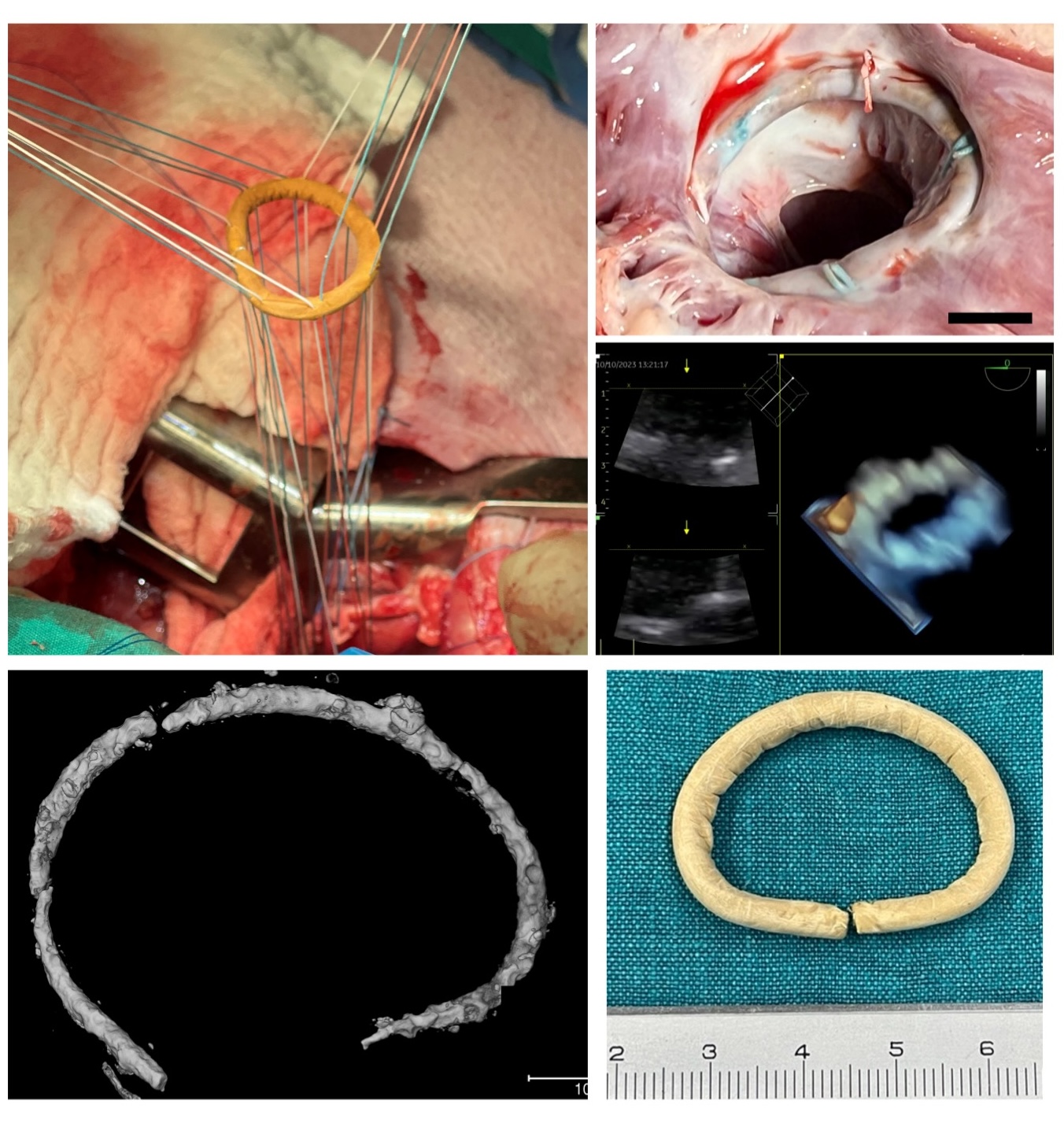
We developed a novel, fully degradable mitral annuloplasty ring featuring a rare-earth-free magnesium (Mg) core and an electrospun polycaprolactone (PCL) sleeve functionalized with silver nanoparticles, combining robust mechanical support with sustained, localized antibacterial activity. This design provides effective infection resistance while preserving the natural growth capacity of the annulus and maintaining native 3D valve dynamics. Importantly, the ring achieves implantability and hemodynamic performance comparable to established non-degradable commercial devices. Following successful validation in both small and large animal models, the project is currently in its final preclinical evaluation phase, actively advancing toward the next stage of clinical translation.

In Vitro Predictive Assessment Tools for degradation and inflammatory reactions

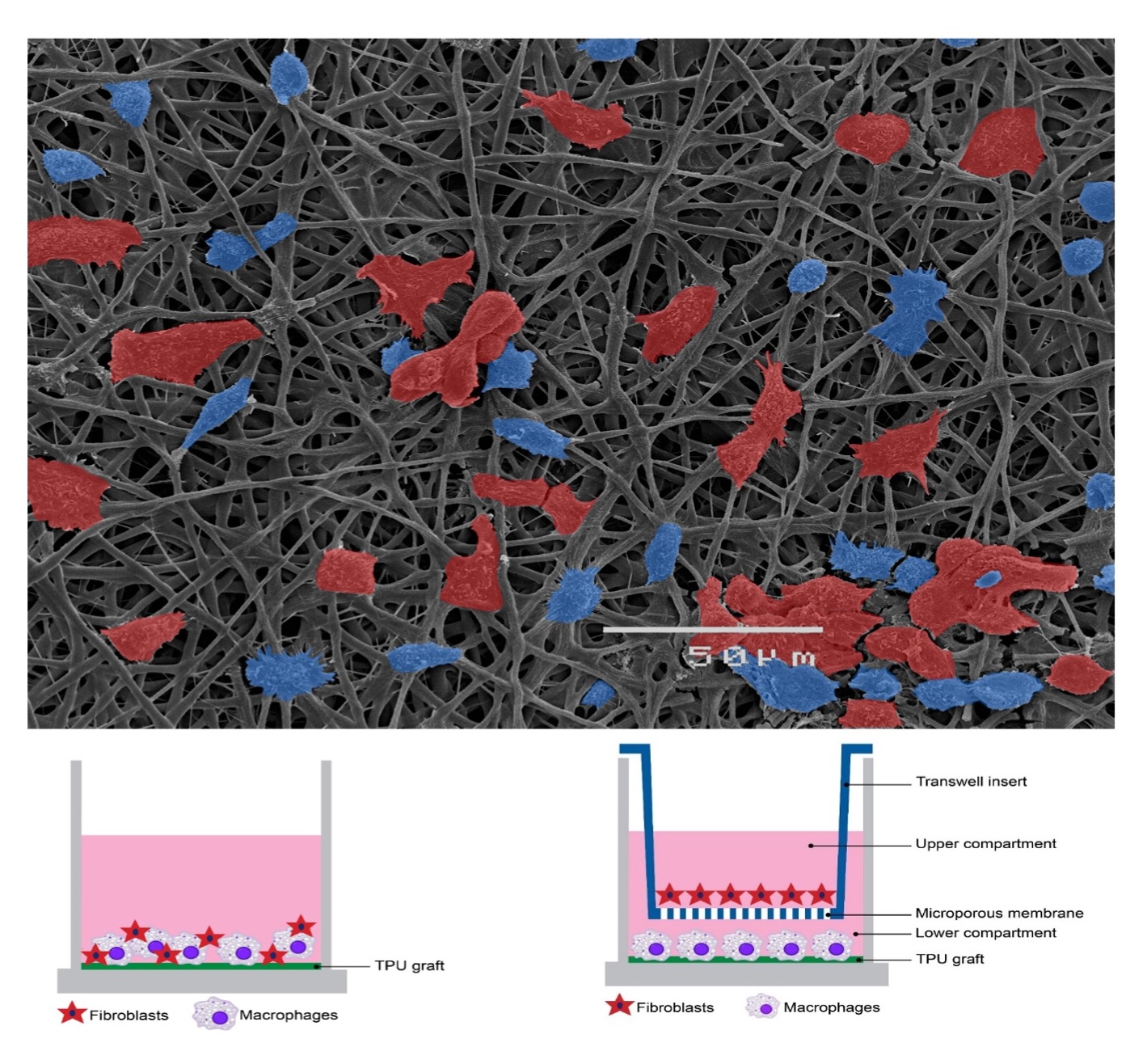
Before implantation, the biocompatibility, immunomodulatory properties and functionality of an implant must be thoroughly tested. A broad range of state-of-the-art in vitro biomaterial assessment tools provides greater insight into host-biomaterial interactions. Our goal is to develop predictive cell-based models to estimate immune response and biodegradation in patients. To this end, we are developing various in vitro mono- and co-culture models. The selection of cell types in the co-cultures is based on the application and site of implantation.